Published · Updated · FX Route team
Exchange costs can differ several times over depending on where and how you exchange. Here are the methods that still work in 2026. Bank and card terms change often, so check again right before you exchange.
1. Order online from your bank and pick up the cash
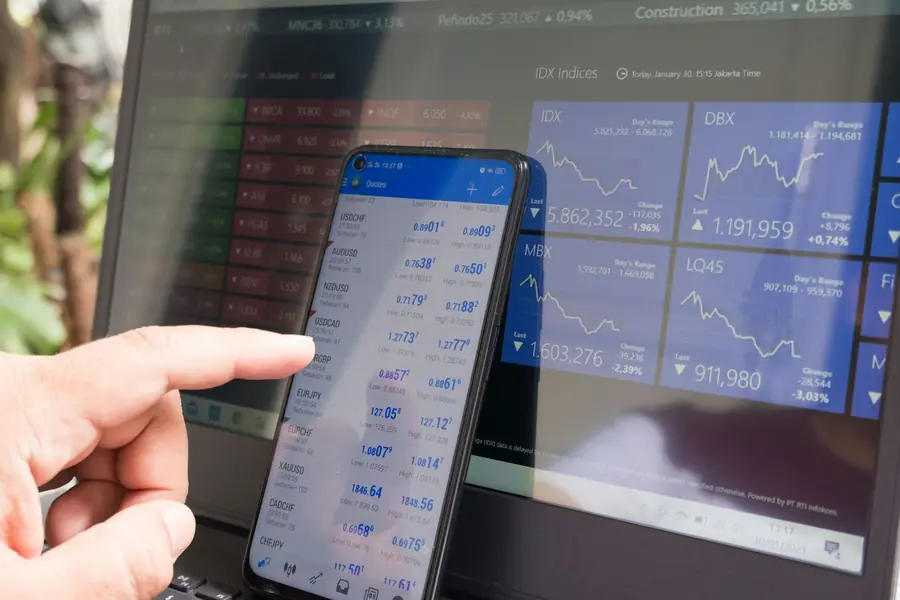
Banks typically sell major currencies such as the dollar, euro or yen at around 1–2% above the mid-market rate, and less common currencies at much more. Many banks discount this margin when you order online or in their app, so ordering ahead is usually cheaper than walking up to a counter.
2. Compare the spread, not just the "commission"
A "0% commission" sign means little if the rate itself is poor. Compare the amount you actually receive, or the gap between the buy rate and the mid-market rate. The best option has both a small spread and a good discount.
3. Use multi-currency accounts and travel cards
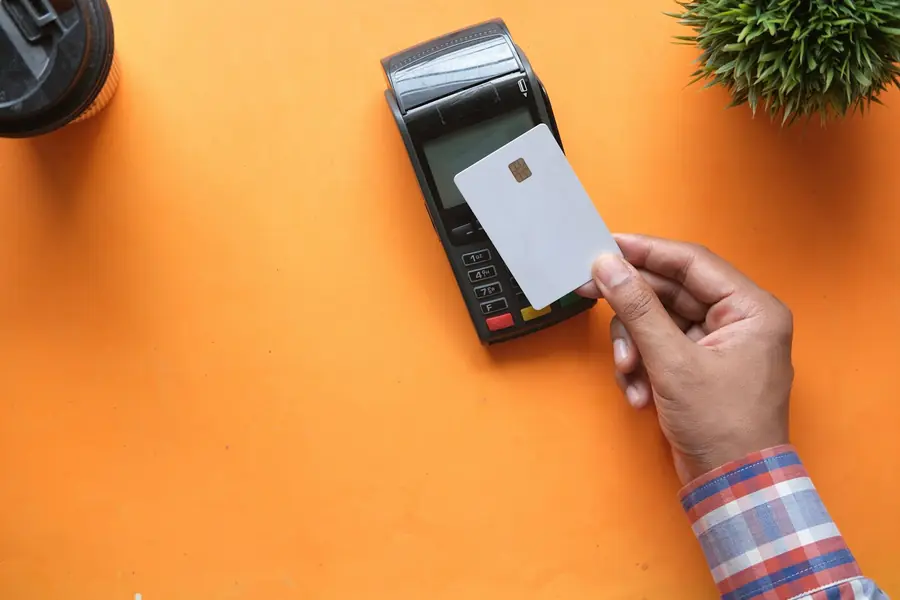
Fee-free conversion and no foreign transaction fees have become standard features of many travel and multi-currency cards. Check what happens when you convert leftover money back, though: some providers charge nothing, others charge a margin or give no discount.
4. Keep airport exchange to a minimum
Airport counters usually have the worst rates. Picking up an online order at the airport is fine, but exchange only what you need for a taxi or train at an airport counter.
5. For expensive currencies, use double exchange or a card
Currencies that are rarely traded where you live, such as the Thai baht or Vietnamese dong, can cost 10% or more to buy directly. Taking US dollars or euros and exchanging locally, or paying with a low-fee card, is often much cheaper.
6. Always pay in the local currency
If a shop or ATM abroad offers to charge you in your home currency (DCC), decline and choose the local currency. The conversion offered usually adds several percent.
7. Watch the rate and exchange in parts
Start watching the rate two or three weeks before you travel and exchange in two or three batches instead of all at once. FX Route shows whether today's rate is cheap compared with the last 3 months, and you can set a rate alert.
Worked example: exchanging 1,000 units of your currency
The table assumes a bank spread of 1.75% on cash and shows how much of every 1,000 units you lose with each method. These are illustrative assumptions; real rates and discounts change daily.
| Method | Effective fee | Cost per 1,000 |
|---|---|---|
| Mid-market rate (reference only) | 0% | 0 |
| Travel card with fee-free conversion | 0% | 0 |
| Bank app order with a 90% discount | 0.175% | 1.75 |
| Walk-up bank counter, no discount | 1.75% | 17.50 |
| Paying in your home currency abroad (DCC) | 3–8% | 30–80 |
Ordering ahead instead of walking up to a counter saves roughly ten times the fee, and a single DCC payment can cost more than all your exchange fees combined. Payment habits matter as much as where you exchange.
Combinations that fit common trips
- Card-friendly destinations (Japan, US, Europe), short trip: pay mostly with a travel card and carry a little cash ordered online. No need to use the airport counter.
- Cash-heavy destinations (much of Southeast Asia): take US dollars ordered online and exchange them at city shops on arrival, with a travel card as backup.
- Short on time: collect an online order at the airport branch, or withdraw only what you need from a local ATM with a travel card.
- Large amounts (study abroad, long stays): transfer rates are usually better than cash rates. Consider a multi-currency account and withdraw as needed.
Frequently asked questions
Does a 90% discount mean the rate is 90% cheaper?
No. The discount applies to the spread, not the whole rate. A 1.75% spread with a 90% discount becomes a 0.175% fee. See exchange rate terms for the full calculation.
Should I exchange everything early in case the rate rises?
Nobody can time the market reliably. Exchanging in two or three batches averages out the rate and limits the damage of a bad day. FX Route shows whether today's rate is cheap or expensive compared with the last three months.