Published · FX Route team
Thai baht can be expensive to buy outside Thailand, and local ATMs charge foreign cards a flat fee per withdrawal. On the other hand, tourist areas such as Bangkok and Phuket have many city exchange shops with good rates. What you bring and where you exchange it makes a real difference.
At a glance
| Item | Details |
|---|---|
| Currency | Thai baht (THB) |
| Card acceptance | Most convenience stores, malls and supermarkets; markets, street food and rural areas are cash |
| Local ATMs | About 220–250 baht per withdrawal for foreign cards (AEON about 150 baht) |
| Suggested mix | US dollars or euros changed at city shops, or one large ATM withdrawal, plus card payments |
Options compared
1. Buy baht before you go
Simple, but often the most expensive option outside Asia. Worth it only for small amounts or very short trips.
2. Bring US dollars or euros and change them in the city
City exchange shops in Thailand generally offer good rates for major currencies. Well-known chains such as SuperRich are popular with travelers; look out for look-alike signs. Clean, large notes often get better rates.
3. Withdraw from an ATM with a low-fee card
Many Thai bank ATMs charge foreign cards around 220–250 baht per withdrawal. AEON ATMs, mostly inside Big C, Lotus's and similar stores, charge about 150 baht. Withdraw less often, in larger amounts.
Worked example: you need 10,000 baht
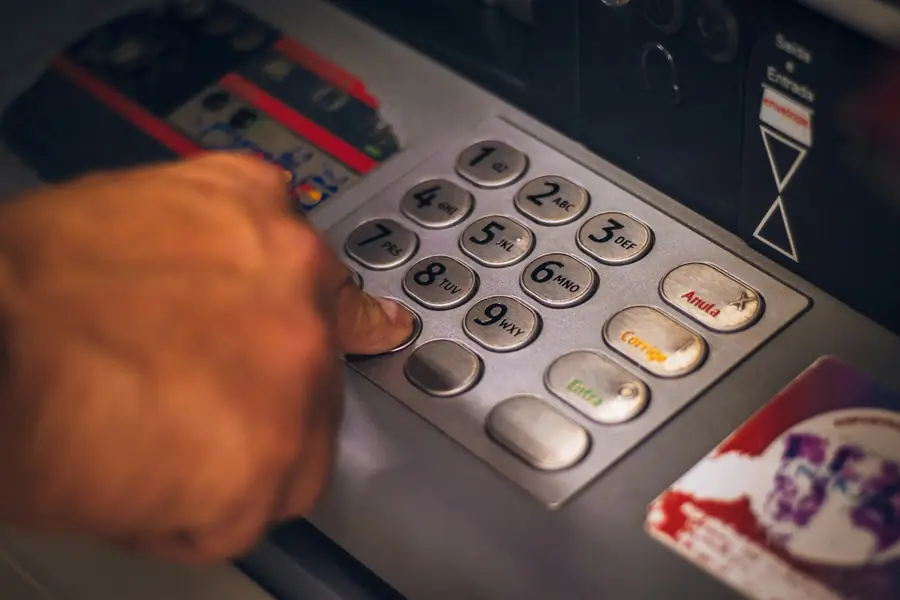
4 withdrawals of 2,500 → fees of about 880–1,000 baht (9–10%)
1 withdrawal of 10,000 → fees of about 220–250 baht (2.2–2.5%)
1 withdrawal at an AEON ATM → about 150 baht (1.5%)
Per-transaction limits at major banks are typically 20,000–30,000 baht. Check whether your own card issuer also charges for foreign withdrawals.
Cards and QR payments
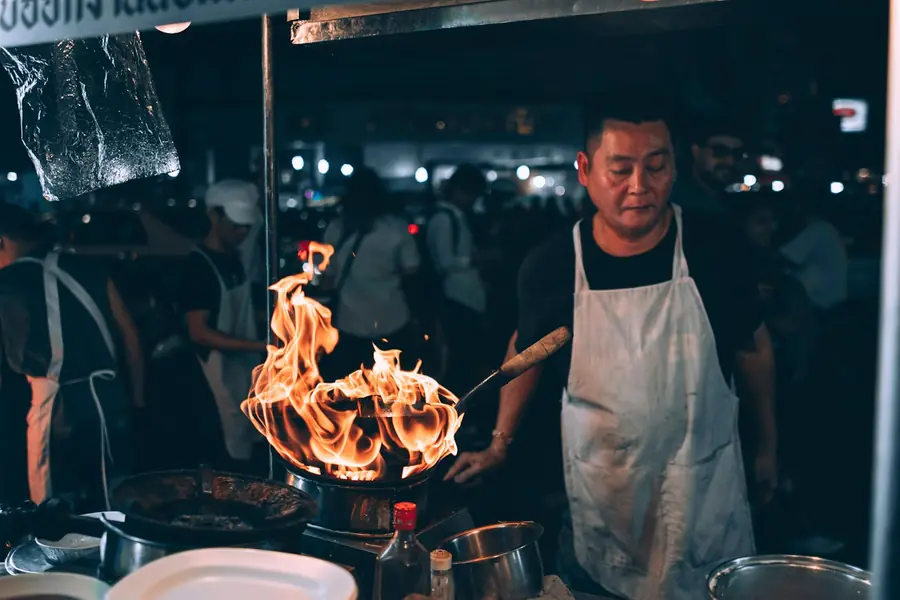
Visa and Mastercard are widely accepted at 7-Eleven, supermarkets and department stores, and contactless phone payments work at many terminals in big cities. Thailand's popular PromptPay QR payments, however, are tied to Thai bank accounts and are usually not available to visitors. Carry cash for markets, street food, tuk-tuks and rural trips.
Watch out for
- If an ATM offers to convert into your home currency, decline and withdraw in baht.
- Airport counters are usually worse than city shops; change only enough to get into town.
- Use ATMs inside banks or malls rather than isolated machines.
Sources
ATM fees and limits are as reported by a travel information site in March 2026 and may change.